Field of knowledge
Psychology
The mind, emotions, and why we behave as we do
Videos
Level 1
Foundation
Coming soon
Level 2
Basics
Coming soon
Level 3
Advanced
Coming soon
Level 4
Masters
Coming soon

Why Confirmation Bias Protects Our Identity
When confronted with clear scientific or historical evidence that contradicts our deeply held beliefs, human brains rarely change their minds. Instead, identity-protective cognition leads us to ignore, dismiss, or reframe facts to protect our social standing.

Why Our Brains Crave Political Tribalism
Modern political debates rarely center on logical policy analysis; instead, they spark intense emotional warfare. Evolutionary psychology reveals how ancient survival instincts lead human brains to treat political teams like competing survival tribes.
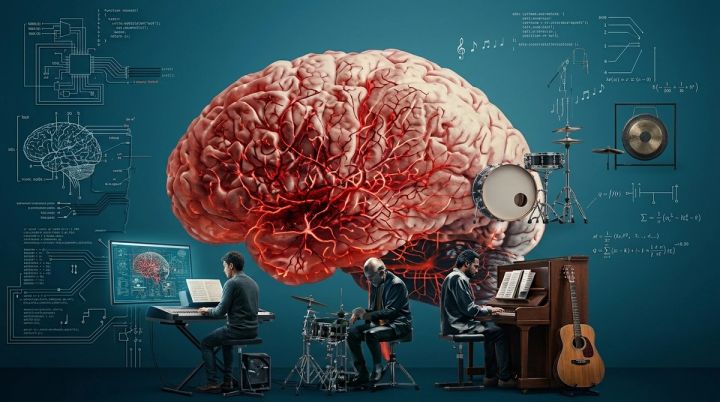
How Music and Imagery Alter Brain Activity and Health
Auditory rhythms and visual imagery do not just influence our mood; they directly modulate neural firing patterns, heart rate, and organ function. Psychophysiological research shows how sensory inputs alter biological health.
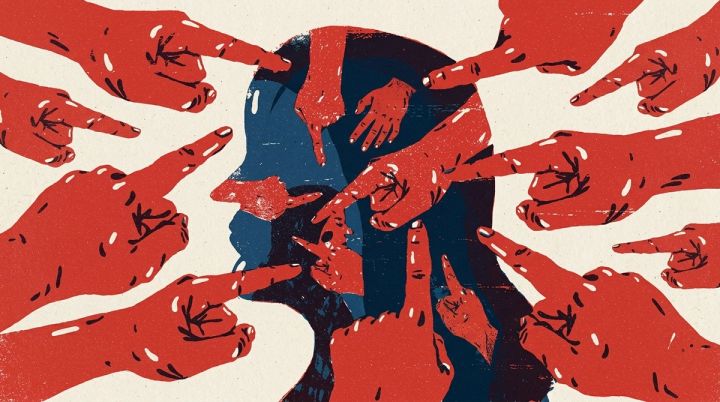
How Voice Tone and Appearance Shape Social Judgment
Human beings make rapid subconscious judgments about trustworthiness and competence based on facial appearance and vocal pitch. Psychological research reveals how these instinctive snap judgments influence social interactions.
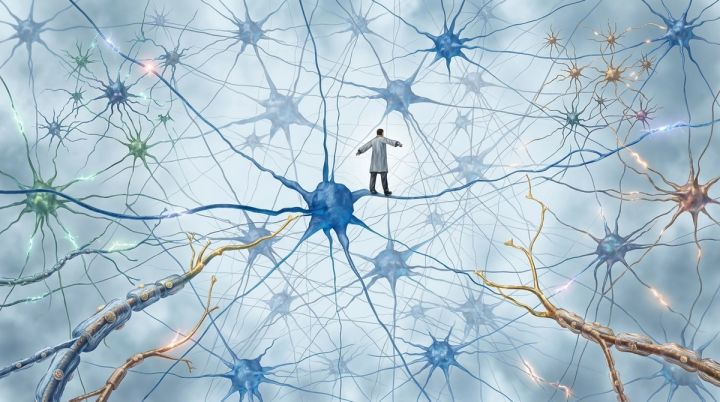
How Neuroplasticity Allows the Brain to Rewire
For decades, neuroscientists believed adult brain structures were fixed and unchangeable. The discovery of neuroplasticity proves that the brain continuously reorganizes neural pathways in response to learning, experience, and recovery.
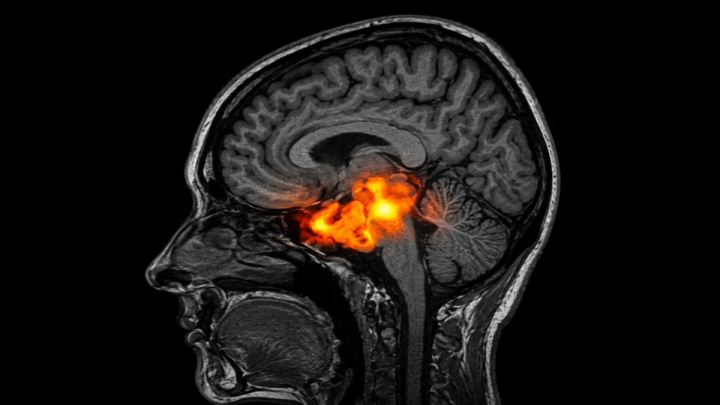
Why Déjà Vu Happens — The Leading Theories
Almost everyone has felt it: a brand new moment that suddenly feels like it's already happened. Scientists have spent decades trying to explain why — and the leading theory today isn't a glitch in your memory at all. It might be proof that your brain's memory-checking system is working exactly as it should.